Aeolos Gattilusio
Posted: Sun Dec 14, 2025 6:34 am
Aeolos Gattilusio was born in the year 1354, in the final, storm-dark months of the civil war that tore the Byzantine Empire in two. He entered the world not in celebration but in secrecy, the illegitimate son of Francesco I , the Genoese adventurer who seized Lesbos, and Maria Kantakouzene, daughter of the reigning emperor John VI Kantakouzenos.Maria’s love for Francesco had been a quiet scandal simmering in Konstantinople, but the breach became unbridgeable when Francesco chose sides in the empire’s most bitter conflict. As John VI struggled to hold his throne, his daughter watched in humiliation as the man she loved, the father of her newborn son, threw his strength behind her father’s rival, John V . Francesco personally led the daring night attack on Constantinople that toppled John VI’s rule.
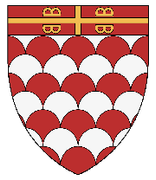
Maria was branded dishonored, politically toxic, and dangerously vulnerable. She fled east across the sea and then west across continents, seeking a court untouched by the intrigues that ruined her family. She found refuge in the distant Kingdom of Castile. Aeolos grew up in Castile, far from the marble halls of Byzantium or the fortifications of Mytilene. His childhood was shaped by the languages of merchants, the clang of Iberian steel, and the dignified bitterness of his mother, a princess without a throne, a woman haunted by betrayal.
From her, he inherited a sharp mind trained in both Latin and Greek, a fierce pride in the Kantakouzenos bloodline, and an unspoken longing for the Aegean homeland he had never seen. From his father, though only through stories, rumors, and the occasional Genoese letter,Aeolos gained an iron stubbornness and the restless spirit of a sailor-knight.
By his late teens, Aeolos had become known in the Castilian court as the Greek-born bastard with the lion’s stare. He trained alongside young hidalgos, learning the art of mounted combat, the discipline of knightly etiquette, and the political dance of a court full of ambitious nobles.
He dreamed not of Castilian estates, but of the island of Lesbos, where his half-brothers Jacopo, Dorino, and Palamede Gattilusio ruled and quarreled and schemed under the long shadow of Genoa.
As a young man, Aeolos made a vow to win his own honor, not as a prince in exile but as a knight worthy of respect. He sought to enter the ranks of Castile’s famed cavalry, to earn spurs by merit, not birth. But beneath this chivalric ambition lay his deepest desire to travel at last to Lesbos and to stand before the brothers who likely had never heard his name. Also to walk the battlements of Mytilene Castle and to decide for himself whether Francesco Gattilusio was a hero, a villain, or simply a man who chose his throne over the woman he loved.
Aeolos carries his mother’s pain and his father’s legacy in equal measure, one as a wound, the other as a compass. And now, as he readies himself for his first true campaign as a Castilian knight-aspirant, the winds of destiny may one day turn once more toward the Aegean. Toward the brothers he has never met. Toward the island that could reject him or finally acknowledge him.
Maria was branded dishonored, politically toxic, and dangerously vulnerable. She fled east across the sea and then west across continents, seeking a court untouched by the intrigues that ruined her family. She found refuge in the distant Kingdom of Castile. Aeolos grew up in Castile, far from the marble halls of Byzantium or the fortifications of Mytilene. His childhood was shaped by the languages of merchants, the clang of Iberian steel, and the dignified bitterness of his mother, a princess without a throne, a woman haunted by betrayal.
From her, he inherited a sharp mind trained in both Latin and Greek, a fierce pride in the Kantakouzenos bloodline, and an unspoken longing for the Aegean homeland he had never seen. From his father, though only through stories, rumors, and the occasional Genoese letter,Aeolos gained an iron stubbornness and the restless spirit of a sailor-knight.
By his late teens, Aeolos had become known in the Castilian court as the Greek-born bastard with the lion’s stare. He trained alongside young hidalgos, learning the art of mounted combat, the discipline of knightly etiquette, and the political dance of a court full of ambitious nobles.
He dreamed not of Castilian estates, but of the island of Lesbos, where his half-brothers Jacopo, Dorino, and Palamede Gattilusio ruled and quarreled and schemed under the long shadow of Genoa.
As a young man, Aeolos made a vow to win his own honor, not as a prince in exile but as a knight worthy of respect. He sought to enter the ranks of Castile’s famed cavalry, to earn spurs by merit, not birth. But beneath this chivalric ambition lay his deepest desire to travel at last to Lesbos and to stand before the brothers who likely had never heard his name. Also to walk the battlements of Mytilene Castle and to decide for himself whether Francesco Gattilusio was a hero, a villain, or simply a man who chose his throne over the woman he loved.
Aeolos carries his mother’s pain and his father’s legacy in equal measure, one as a wound, the other as a compass. And now, as he readies himself for his first true campaign as a Castilian knight-aspirant, the winds of destiny may one day turn once more toward the Aegean. Toward the brothers he has never met. Toward the island that could reject him or finally acknowledge him.